Weather Aware: Preparation Over Complaints
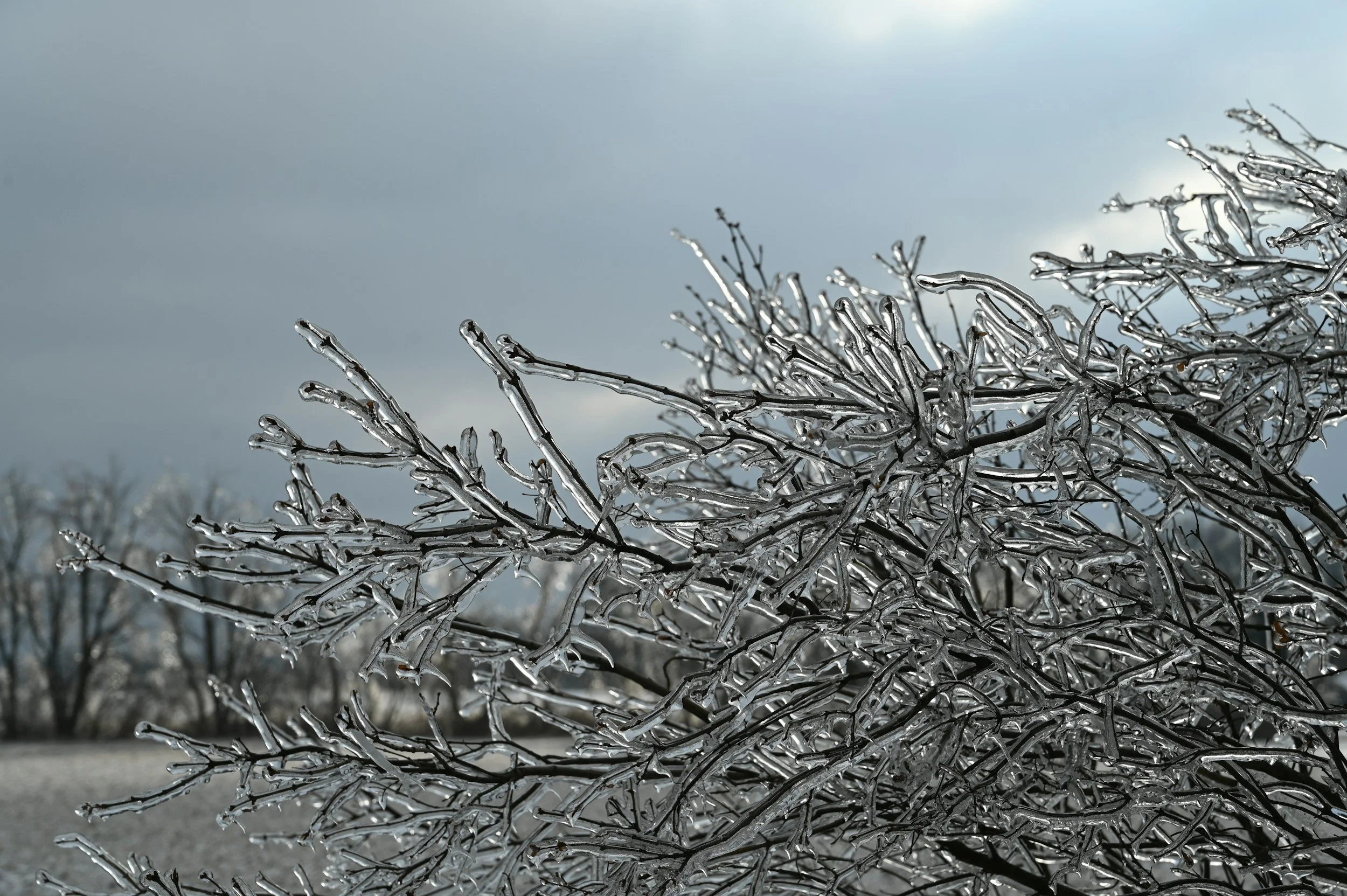
Winter arrives as a quiet call to slow down. Frost etches windows, breath hangs like small ghosts, and the world softens under snow or ice. Mornings hush—roads glimmer, trees turn crystalline, and the familiar feels new. It invites warm layers, hot drinks, and slow rhythms; a time for reflection, small comforts, and finding beauty in stillness. Winter can be harsh, but it offers a restorative pause to gather warmth, refocus, and ready for spring.
Preparing for a potential ice storm as a divorced mother has been challenging. Not because I don’t know what to do, but because moments like this leave very little space to think. You react first. You gather yourself later. And somehow, in the middle of it all, you find the strength to pull together every resource you have and make things happen.
During times like this, your human skills are tested just as much as your parenting skills. Even as single parents, do we have the right to complain about that? Sure. But I’ve learned that complaining without a solution doesn’t move anything forward.
That may have been an unexpected swing, huh?
Here’s what experience has taught me: complaining is easy. Lightweight. It requires no real effort. But having a solution for your discomfort should always take priority over venting. Take this weather emergency for example. I could sit back and complain about why God would bring a storm this way. I could blame the political climate, the financial climate, or even another person altogether.
But here’s the truth—none of that gives me back the time I waste complaining about something I can’t control. And once that time is gone, it’s gone. What usually happens next is even worse: we complain to someone else about how we complained earlier, dragging the issue further while wasting even more energy.
Instead of doing all of that, I decided to focus on preparation.

Winter brings cold air and shorter days, so prepare to stay safe and warm. Winterize your home: seal window and door drafts, insulate pipes, clean gutters, and service your heater. A bit of prep brings safety and peace of mind.
I started with the basics. What type of weather event is expected? How severe is the forecast? What timeframe are we working with? From there, I created a plan for my home based on how many people live here. I mapped evacuation routes, made household adjustments to weather the storm, and prepared my vehicle for a possible emergency exit—just in case.
Whatever I realized I was lacking, I found alternatives for. I avoided unnecessary spending and only purchased what made sense. After that, I made intentional plans to keep myself occupied, because staying mentally grounded matters just as much as physical preparation. Lastly, I stashed unused money into my OnePay account specifically for emergencies.
Preparation gave me peace.
👉Click here to download my Weather Preparedness Checklist PDF and create a plan that works for your household.
👉Click here to download my Weather Preparedness Checklist PDF and create a plan that works for your household.
Once I finished executing my plan, I felt accomplished. That’s not something I always experience, because I have a tendency to overthink—and sometimes overspend. In the past, I’ve overprepared out of fear. I remember buying over 100 rolls of tissue when a tropical storm was predicted to hit Georgia. I was convinced we would be stuck for weeks.
The storm came. The storm passed. And the damage was minimal.
One tree limb fell and came through the window—which, ironically, wasn’t something I had prepared for. What I *had* done was spend far more money than necessary. Money that could have been saved and used during a real emergency. I was upset with myself, not because I prepared, but because I didn’t prepare wisely.
That experience taught me an important lesson: preparation should be intentional, not driven by panic.
The storms of my past—literal and figurative—have prepared me for what may come next. They’ve taught me how to stay alert without spiraling, how to plan without fear, and how to choose solutions over stress.
Being weather aware isn’t just about storms outside your home. It’s about how you respond to uncertainty in life. And every time, I’m choosing preparation over complaints.
