
I Was the Fixer
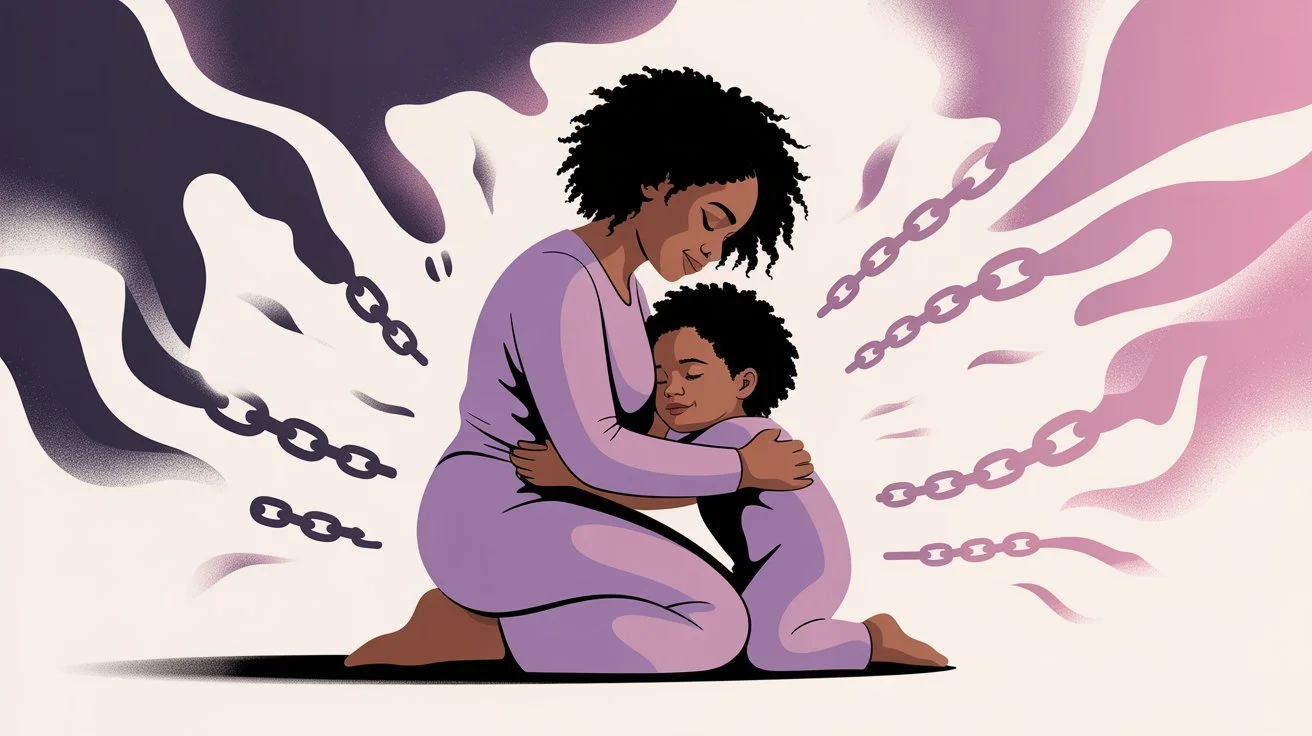
Let me say this plainly:
I didn’t become a fixer by accident.
I was trained to be one.
What That Really Means
When I say I was a parentified daughter…
I don’t mean I helped out around the house.
I mean I learned how to hold things together…
before I even knew who I was.
I became the one who:
kept the peace
read the room
anticipated problems
softened blows before they landed
I learned early that if everybody else was okay…
then everything would be okay.
And that lesson?
It followed me straight into adulthood.
How It Showed Up In My Life
Because what people don’t tell you is this:
When you grow up being the one who fixes everything…
you don’t stop.
You just get older.
And suddenly, you’re in relationships where:
you’re the emotional support
you’re the problem solver
you’re the one doing all the work
you’re the one trying to “hold it together”
And you think that’s love.
But it’s not.
It’s survival.
The Truth I Had To Face
For years, I blamed myself.
When relationships didn’t work, I thought:
“I didn’t do enough.”
“I didn’t love hard enough.”
“I didn’t fix it fast enough.”
So what did I do?
I gave more.
I stayed longer.
I tolerated more.
I silenced myself just to keep the peace.
Because that’s what I was taught.
But let me tell you something I had to learn the hard way:
Caretaking is not intimacy.
Fixing someone is not love.
And sacrificing yourself is not a requirement for being chosen.
What Parentification Really Does
When you grow up like that…
your nervous system gets wired a certain way.
You feel responsible for people.
You feel like it’s your job to regulate them, calm them, help them, fix them.
And without even realizing it…
you start choosing people who need that from you.
Not because you’re broken.
But because it’s familiar.
The Shift
The first thing that changed everything for me?
I named it.
I said it out loud:
“I was a parentified daughter.”
And in that moment…
something lifted.
Because now?
I wasn’t broken.
I was conditioned.
And if I was conditioned…
that meant I could change.
What I Started Doing Differently
I didn’t flip a switch overnight.
Let’s be real.
This kind of healing?
It takes time.
But I started small.
I started saying no.
Not with long explanations.
Not with guilt.
Just…
no.
I stopped volunteering for emotional labor that wasn’t mine.
I started asking myself:
“Is this mine to carry?”
And if the answer was no?
I put it down.
Relearning Myself
I also had to learn how to take care of me.
Because for so long…
I only knew how to take care of other people.
So I had to:
rest without guilt
slow down without fear
show myself the same care I gave everyone else
That’s what reparenting looks like.
Relationships Look Different Now
Now?
I don’t look for people I can fix.
I look for people who are whole…
or at least doing their own work.
Because I’m no longer interested in being:
the therapist
the savior
the emotional support system
I want reciprocity.
I want balance.
I want peace.
Let Me Say This Clearly
Putting the weight down…
does not mean you don’t love people.
It means you stop loving them at the expense of yourself.
You can care.
You can be kind.
But you are not responsible for anyone else’s healing.
Final Thought
If you see yourself in this…
I need you to hear me:
You were not “too much.”
You were not “doing too much.”
You were doing what you had to do to survive.
But now?
You don’t have to survive like that anymore.
You get to choose differently.
You get to rest.
You get to receive.
And most importantly…
You get to choose you.
